
Winter driving in Ontario isn’t just about being cautious, it’s about knowing the law. Some rules are obvious, like slowing down when roads are icy. Others? Not so much. If you’re not aware, you could get a fine or even lose your license.
Let’s break down the lesser-known winter driving laws in Ontario and how to stay safe and legal when the road with snow gets tricky.
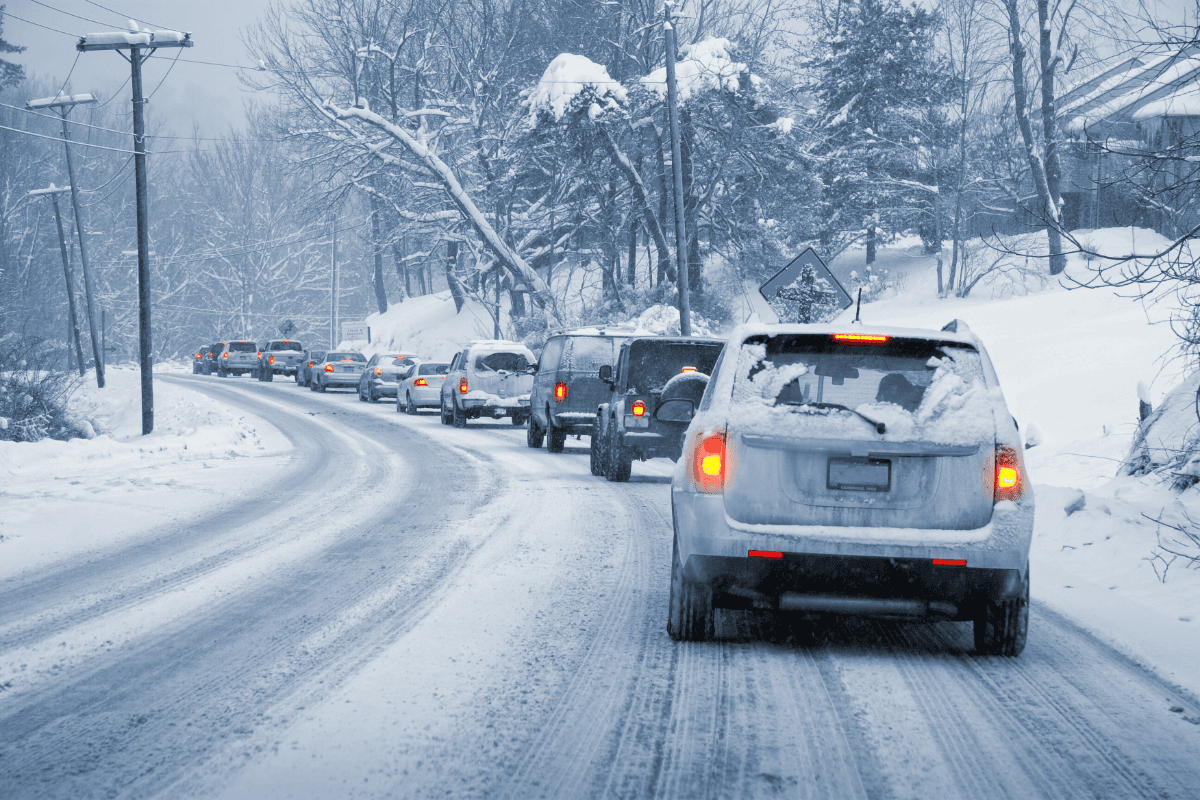
You Must Clear Snow Off Your Car, All of It
Driving with snow on your roof or windshield isn’t just dangerous, it’s illegal. Police can fine you under the Highway Traffic Act for driving a vehicle with obstructed views.
Flying snow or ice from your car can also injure other drivers or cause an accident. If that happens, you may face more serious charges.
What to do:
- Remove snow and ice from the roof, hood, trunk, mirrors, windows, and lights.
- Don’t forget your license plates; they must stay visible.
Penalty: Fines range from $85 to $110, depending on the violation.
Snow Tire Laws in Ontario
Here’s the truth: snow tires aren’t legally required in Ontario but they’re highly recommended. In some cases, not using them can affect your insurance or be used against you in court if you cause a crash.
What to know:
- Some auto insurance companies give a discount (up to 5%) if you install snow tires between November 1 and April 1.
- If your car slides or spins due to worn or inappropriate tires, you could still be charged with careless driving.
Quick tip:
Always install tires labeled with the mountain snowflake symbol because they meet winter tire standards.
You Must Slow Down for Weather Conditions
Speed limits in Ontario are set for ideal conditions. If you’re driving the speed limit on a slippery road with snow or freezing rain, you may still be driving too fast for the conditions.
Under Ontario’s “Drive According to Conditions” rule, you can be charged even if you didn’t break the posted speed.
What happens:
- You may be fined up to $1,000 or face six demerit points for careless driving.
- If someone is hurt, the charge could rise to dangerous driving under the Criminal Code.
What to do:
Reduce your speed, increase your following distance, and avoid sharp turns or sudden stops.
Using Cruise Control on Snowy Roads Can Be Illegal
Cruise control is great on highways, but it’s dangerous on slippery roads. If you lose control while cruise control is on, police may consider it evidence of careless or unsafe driving.
There’s no law that says “no cruise control,” but if you’re using it during winter driving and cause a crash, you could face charges.
Pro tip: Turn cruise control off in winter, especially during snowstorms or on rural roads with snow and ice patches.
You Can Get Fined for Letting Your Car Idle Too Long
Letting your engine run to warm up your car may seem harmless, but many Ontario cities have anti-idling bylaws. These aim to reduce air pollution and save fuel.
Typical rules:
- In places like Toronto, you can’t idle for more than one minute when temperatures are above -5°C.
- Fines can range from $100 to $500, depending on the city.
What to do:
Use a block heater or remote starter. Clear the windows quickly and get moving.
Blocking Snowplows Can Get You Ticketed or Towed
Snowplows need space to work. Blocking or passing a snowplow is not only risky; it’s often illegal. In some areas, passing a working plow can get you an automatic fine or license suspension.
Key law:
If you approach a plow in operation with flashing blue lights, maintain a safe distance. Don’t try to pass unless it’s completely safe and legal.
Parked on a Street Overnight? You May Get Towed
During the winter, many Ontario towns ban overnight street parking after snowfalls. These bans let snowplows do their job safely.
What to know:
- Rules often kick in when 5+ cm of snow is expected.
- Cities like Ottawa, Mississauga, and London enforce towing during snow-clearing operations.
Check before parking: Watch for signs or alerts from your city, especially during storms.
5 Extra Winter Driving Tips to Keep You Safe (and Legal)
- Use headlights in all snow conditions. Daytime running lights don’t activate taillights.
- Carry an emergency kit. Include blankets, flashlights, food, and traction aids.
- Keep your gas tank half full. It prevents gas line freeze and prepares you for delays.
- Check road conditions before leaving. Use Ontario 511 for real-time updates.
- Plan extra travel time. Being late isn’t worth a ticket or an accident.
Final Thoughts
Ontario’s winter roads come with rules that every driver must follow. From snow tire laws in Ontario to proper headlight use, windshield clearing, and anti-idling regulations, it’s not just about driving carefully. It’s about staying compliant and avoiding fines that can creep up when you least expect them.
Winter driving doesn’t have to be stressful. A little prep can go a long way. Check your local regulations before the season hits. Make sure your vehicle meets legal requirements, and don’t assume general rules apply the same way in winter.
Whether you’re commuting through a road with snow or heading out on the highway, give yourself extra time, keep your distance, and stay alert. Snow and ice reduce traction and increase stopping distances, so slow down and avoid sudden moves. Always clear your entire windshield, mirrors, and roof before driving; snow flying off your car can endanger others and get you fined. Watch for hidden patches of black ice, especially near bridges and shaded areas. Keep your fuel tank at least half full to avoid freezing fuel lines and carry a winter emergency kit with blankets, a flashlight, and food. Stay calm, stay patient, and remember: safe winter driving is just as much about planning as it is about performance.
Practice Your Knowledge Before You Drive
Want to make sure you’re fully prepared for Ontario’s written and road tests? Try our free G1 practice test today!